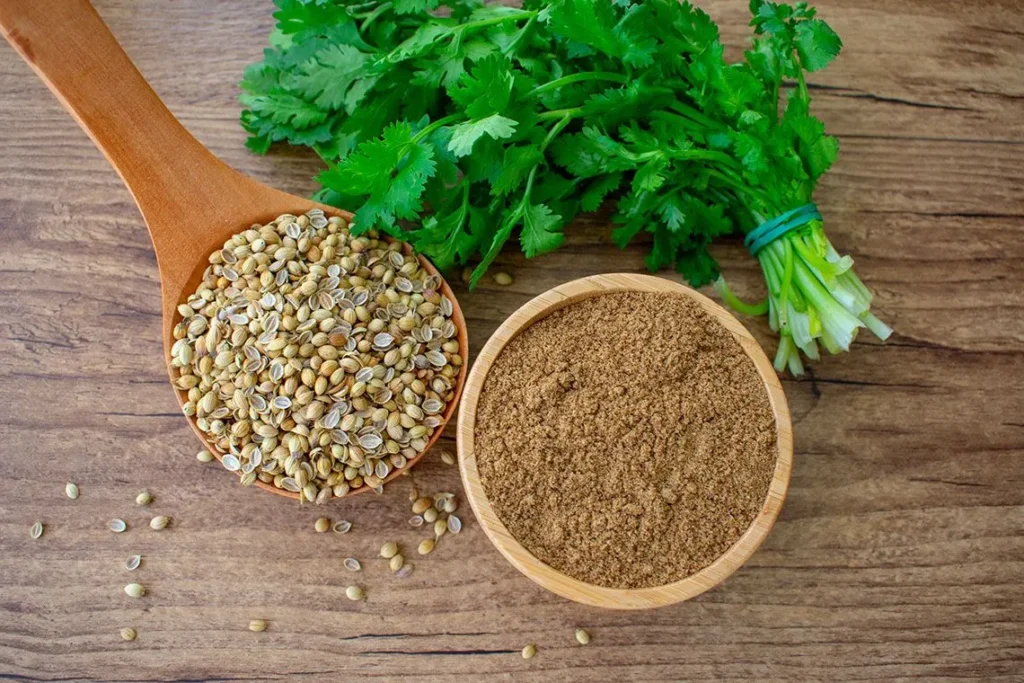

Dhania coriander is one of the most widely used herbs in global cuisines, renowned for its distinctive aroma, flavor, and health benefits. Known for its versatile use in cooking, dhania coriander is a staple in Indian, Middle Eastern, Mediterranean, and Southeast Asian dishes. Both its leaves and seeds are extensively used, making it an essential herb for culinary and medicinal purposes.
This comprehensive guide explores the history, cultivation, nutritional value, health benefits, culinary uses, and tips for storing dhania coriander. Whether you are a home cook, professional chef, or someone interested in natural remedies, this article provides in-depth insights into this remarkable herb.
What is Dhania Coriander ?
Dhania coriander, scientifically known as Coriandrum sativum, belongs to the Apiaceae family. It is an annual herb that grows quickly, producing delicate leaves and aromatic seeds. Both fresh leaves (commonly referred to as cilantro) and dried seeds (coriander seeds) are used for different purposes.
In India and South Asia, the term dhania is used to refer to both fresh leaves and seeds, while in Western countries, fresh leaves are commonly called cilantro. The dual use of dhania coriander makes it one of the most versatile and widely cultivated herbs worldwide.
History and Origin of Dhania Coriander
Dhania coriander has a rich history, tracing back over 3,000 years. Archaeological evidence suggests that it was used in ancient Egypt, Greece, and Rome, both as a culinary herb and for medicinal purposes.
In India, dhania coriander has been a key component of traditional cuisine for centuries. It features prominently in curries, chutneys, salads, and spice blends such as garam masala. Over time, dhania coriander spread across Asia, Europe, and the Americas, becoming a global culinary herb.
Botanical Characteristics of Dhania Coriander
Dhania coriander is an herbaceous plant with the following characteristics:
- Leaves: Delicate, bright green, and finely divided; used fresh for garnishing and flavoring.
- Stems: Slender and tender, often used in cooking for aroma.
- Flowers: Small, white or pale pink, forming umbels.
- Seeds: Round, beige to light brown, harvested when mature; used as a spice.
- Height: Typically grows 50–60 cm tall.
- Root System: Taproot that allows the plant to absorb nutrients efficiently.
The plant thrives in sunny, well-drained soil and is relatively easy to grow in home gardens or commercial farms.
Nutritional Profile of Dhania Coriander
Dhania coriander is rich in essential nutrients, vitamins, and minerals, making it both a flavorful and healthy addition to meals:
- Vitamins: Vitamin A, Vitamin C, Vitamin K, and some B-complex vitamins.
- Minerals: Calcium, iron, magnesium, potassium, and manganese.
- Antioxidants: Contains polyphenols, flavonoids, and carotenoids that help fight oxidative stress.
- Dietary Fiber: Both leaves and seeds provide a small but beneficial amount of fiber.
- Low Calories: Ideal for weight management and low-calorie diets.
This nutrient richness contributes to dhania coriander’s numerous health benefits.
Health Benefits of Dhania Coriander
The regular use of dhania coriander in diet and traditional remedies offers multiple health benefits:
Digestive Health
Coriander seeds and fresh leaves can aid digestion. They stimulate digestive enzymes, reduce bloating, and alleviate constipation. Traditional remedies often use coriander tea to calm the stomach.
Anti-Inflammatory Properties
Dhania coriander contains compounds that reduce inflammation. Regular consumption can help manage mild inflammatory conditions and promote overall wellness.
Blood Sugar Management
Studies suggest that coriander seeds may help regulate blood sugar levels, making dhania coriander beneficial for individuals with type 2 diabetes.
Heart Health
The herb contains antioxidants and minerals that support cardiovascular health. Regular intake can help reduce cholesterol and improve blood pressure.
Immune Support
Vitamin C and other antioxidants in dhania coriander strengthen the immune system and protect the body from infections.
Skin Health
Coriander’s antibacterial and antifungal properties make it effective in natural remedies for skin conditions such as acne, rashes, and irritation.
Detoxification
Dhania coriander aids in detoxifying the body by promoting the removal of heavy metals and harmful substances from the system.
Culinary Uses of Dhania Coriander
Dhania coriander is used in a variety of dishes worldwide. Both fresh leaves and seeds serve distinct culinary purposes:
Fresh Leaves (Cilantro)
- Garnishing curries, soups, and salads.
- Blending into chutneys and salsas.
- Adding flavor to rice dishes and wraps.
Coriander Seeds
- Ground into spice powders for curries, stews, and marinades.
- Used whole in pickles and sauces.
- Roasted seeds enhance flavor in baked goods and snacks.
Dried Dhania
Dried coriander leaves and powdered seeds are convenient for long-term storage while retaining most of their flavor.
International Cuisines
- Indian Cuisine: Curries, dals, masala blends, chutneys.
- Mexican Cuisine: Salsa, guacamole, and soups.
- Mediterranean Cuisine: Salads, sauces, and seafood dishes.
- Middle Eastern Cuisine: Spice blends like za’atar and tagines.
Growing Dhania Coriander
Dhania coriander is relatively easy to cultivate, making it popular for home gardens and commercial farming:
Soil and Climate
- Prefers well-drained, loamy soil.
- Thrives in sunny conditions with moderate temperatures.
- Avoid waterlogged soil to prevent root rot.
Sowing Seeds
- Sow seeds 1–2 cm deep, spaced 6–8 cm apart.
- Water regularly but avoid overwatering.
Harvesting
- Leaves can be harvested after 3–4 weeks.
- Seeds are harvested when they turn brown and dry, usually after 90 days.
Tips for Best Growth
- Use compost or organic fertilizers to enrich soil.
- Thin seedlings to allow adequate spacing.
- Regularly prune leaves to encourage fresh growth.
Storage and Preservation
Proper storage ensures that dhania coriander retains flavor and nutrients:
- Fresh Leaves: Store in a damp cloth or in an airtight container in the refrigerator; lasts up to 1 week.
- Coriander Seeds: Keep in airtight containers away from sunlight; lasts for 1–2 years.
- Freezing: Fresh leaves can be frozen after chopping to extend shelf life.
- Drying: Leaves can be air-dried or oven-dried for long-term storage.
Medicinal and Traditional Uses
Dhania coriander has been used in Ayurveda, Unani, and traditional medicine for centuries:
- Ayurvedic Use: Treats indigestion, fever, and skin issues.
- Unani Medicine: Used for cooling effects and digestive health.
- Home Remedies: Coriander water or tea is used for detoxification, relieving bloating, and improving digestion.
Economic and Market Importance
Dhania coriander is not only important for households but also for the economy:
- Agricultural Value: Major crop in India, Pakistan, and Middle Eastern countries.
- Export Potential: Both seeds and dried leaves are exported globally.
- Culinary Industry: Essential ingredient for restaurants, spice manufacturers, and packaged food industries.
The growing demand for natural herbs and spices has elevated the market value of dhania coriander in both local and international markets.
Tips for Using Dhania Coriander
- Use fresh leaves at the end of cooking for maximum aroma.
- Roast seeds before grinding to enhance flavor.
- Combine with other herbs like mint or parsley for complex tastes.
- Store seeds in cool, dry places to prevent loss of flavor.
Fun Facts About Dhania Coriander
- Coriander is one of the oldest known spices, mentioned in ancient Egyptian texts.
- Both leaves and seeds contain essential oils with medicinal properties.
- It is believed that coriander seeds were used in burial rituals by ancient Egyptians.
- Dhania coriander is commonly used in perfumes and cosmetics due to its pleasant aroma.
Conclusion
Dhania coriander is much more than a simple herb. Its culinary versatility, medicinal benefits, and ease of cultivation make it an indispensable part of kitchens, gardens, and global cuisine. From enhancing the flavor of everyday meals to providing significant health benefits, dhania coriander proves to be a herb that is both practical and valuable.
Whether used fresh, dried, or as seeds, incorporating dhania coriander into your diet is an easy way to add flavor, nutrition, and wellness to your lifestyle. Its historical significance, economic value, and global popularity ensure that dhania coriander will remain a beloved herb for generations to come.