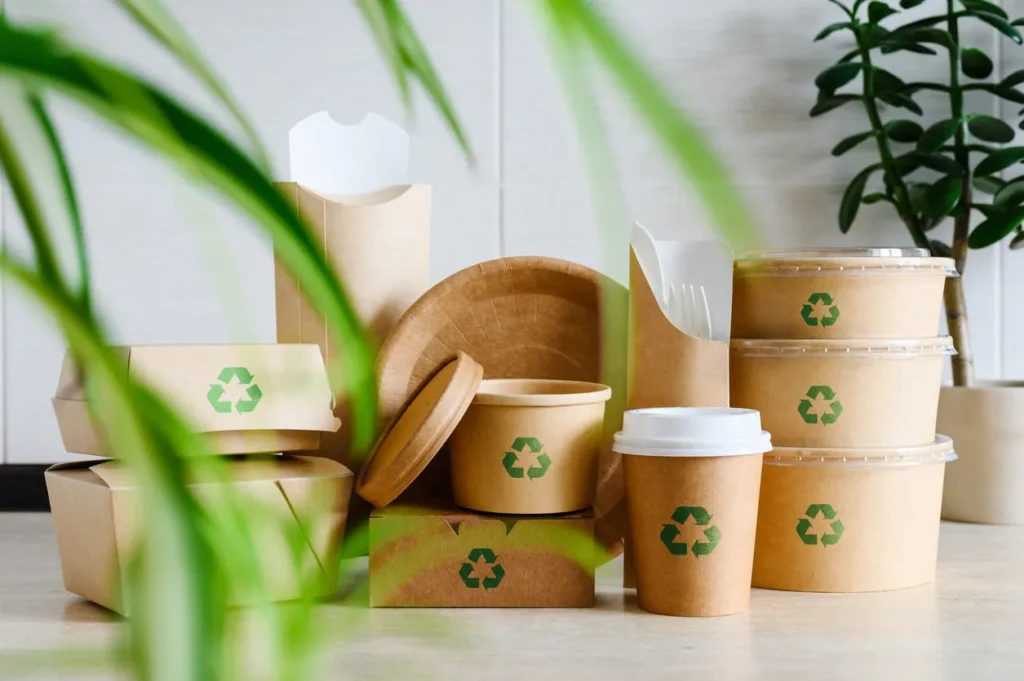

The word pappedeckel may sound simple, but it represents a material that plays a crucial role in everyday life, industry, and sustainability efforts. Commonly used in packaging, construction, crafts, and product protection, pappedeckel is a versatile and environmentally relevant material that continues to gain importance in a world focused on reducing plastic waste.
We explores what pappedeckel is, how it is made, where it is used, and why it matters more than ever in today’s eco-conscious economy.
What Is Pappedeckel?
Pappedeckel is a German term commonly used to describe thick cardboard or paperboard. It is stronger and denser than regular paper but lighter and more flexible than wood or plastic alternatives. Because of its balance between strength and weight, pappedeckel is widely used in packaging and structural applications.
Unlike thin paper sheets, pappedeckel is manufactured by layering compressed paper fibers, which gives it rigidity and durability. This makes it suitable for protective and load-bearing purposes.
How Pappedeckel Is Made
The production of pappedeckel begins with paper fibers, often sourced from recycled paper or sustainably managed forests. These fibers are mixed with water, processed into pulp, and then pressed into thick sheets.
The manufacturing process includes:
- Fiber preparation and pulping
- Layering and compression
- Drying and cutting
- Optional surface treatments or coatings
Depending on its intended use, pappedeckel can be produced in various thicknesses and densities, making it adaptable for multiple industries.
Common Uses of Pappedeckel
Pappedeckel is used across many sectors because of its versatility and cost-effectiveness. Some of the most common applications include:
Packaging Industry
One of the primary uses of pappedeckel is packaging. It is widely used for:
- Product boxes
- Protective inserts
- Shipping containers
- Retail displays
Its ability to protect goods while remaining lightweight makes it ideal for transportation and storage.
Bookbinding and Printing
In publishing, pappedeckel is frequently used for book covers, folders, and presentation files. It provides stability while maintaining a professional appearance.
Crafts and Creative Projects
Artists and hobbyists often choose pappedeckel for:
- Model building
- School projects
- Decorative crafts
- Prototyping
Its ease of cutting and shaping makes it accessible for creative work.
Construction and Interior Use
In some cases, pappedeckel is used in interior construction as backing material, insulation layers, or temporary protection during building projects.
Pappedeckel and Sustainability
One of the biggest advantages of pappedeckel is its environmental friendliness. As concerns over plastic pollution increase, cardboard-based materials are becoming the preferred alternative.
Key sustainability benefits include:
- High recyclability
- Biodegradable composition
- Lower carbon footprint compared to plastic
- Use of recycled raw materials
Many manufacturers now prioritize recycled fibers, making pappedeckel an essential material in circular economy systems.
Recycling and Reuse of Pappedeckel
Pappedeckel can be recycled multiple times without significant loss of quality. After use, it can be collected, processed, and turned into new paperboard products.
Reuse is also common. For example:
- Shipping boxes reused for storage
- Cardboard sheets repurposed for crafts
- Packaging inserts reused for protection
These practices reduce waste and support sustainable consumption habits.
Advantages of Using Pappedeckel
The popularity of pappedeckel is driven by several practical advantages:
- Lightweight: Easy to transport and handle
- Cost-effective: Affordable for large-scale production
- Customizable: Can be cut, printed, or shaped easily
- Protective: Absorbs shock and prevents damage
- Eco-friendly: Supports sustainable goals
These qualities make it suitable for both small businesses and large industrial operations.
Limitations of Pappedeckel
Despite its many benefits, pappedeckel also has some limitations that should be considered:
- Sensitivity to moisture unless treated
- Lower durability compared to metal or plastic
- Limited load-bearing capacity in heavy-duty applications
To overcome these issues, manufacturers may apply coatings or combine pappedeckel with other materials for enhanced performance.
Pappedeckel in Modern Packaging Trends
Modern packaging trends increasingly favor materials that are recyclable and visually appealing. Pappedeckel fits perfectly into this shift. Brands use it not only for protection but also for communication through printing and design.
Trends include:
- Minimalist packaging designs
- Eco-labeling and sustainability messaging
- Custom-printed cardboard packaging
- Plastic-free shipping solutions
Pappedeckel supports these trends while meeting functional requirements.
Economic Importance of Pappedeckel
From an economic perspective, pappedeckel supports multiple industries, including manufacturing, logistics, retail, and recycling. Its affordability makes it accessible to businesses of all sizes.
The demand for cardboard-based materials continues to grow as governments and consumers push for sustainable alternatives. This positions pappedeckel as a key material in future economic development.
Pappedeckel in Education and Daily Life
Beyond industry, pappedeckel plays a role in education and everyday life. Schools frequently use it for teaching aids, models, and creative assignments. Households rely on cardboard packaging for storage and organization.
Its familiarity and accessibility make it one of the most widely used materials worldwide, even if often overlooked.
Future of Pappedeckel
The future of pappedeckel looks promising as innovation continues. Research focuses on improving strength, water resistance, and longevity without compromising sustainability.
Future developments may include:
- Advanced fiber technology
- Eco-friendly coatings
- Smarter recycling processes
- Integration into sustainable building solutions
As industries move toward greener practices, pappedeckel will likely become even more valuable.
Why Pappedeckel Still Matters
Despite technological advancements, simple materials like pappedeckel remain essential. Its effectiveness, affordability, and environmental benefits ensure its continued relevance.
In a world striving to reduce waste and protect resources, materials that balance functionality and sustainability are critical—and pappedeckel does exactly that.
Conclusion
Pappedeckel is far more than just cardboard. It is a versatile, sustainable, and economically important material that supports countless applications across industries and daily life. From packaging and crafts to education and sustainability initiatives, its role is both practical and impactful.
As environmental awareness grows, pappedeckel stands as a reminder that simple materials can drive meaningful change. By choosing recyclable and biodegradable solutions, industries and individuals alike contribute to a more sustainable future—one cardboard sheet at a time.